
Mailing List
Sign up for our mailing list to get latest updates and offers.
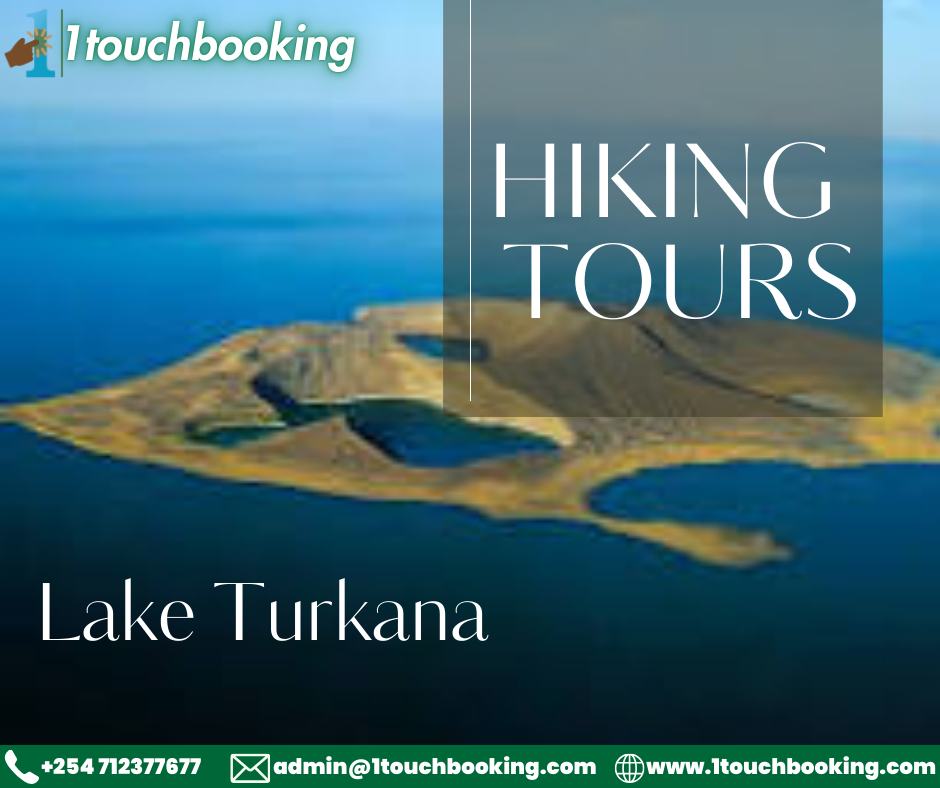
The most saline of Africa's large lakes, Turkana is an outstanding laboratory for the study of plant and animal communities. The three National Parks serve as a stopover for migrant waterfowl and are major breeding grounds for the Nile crocodile, hippopotamus and a variety of venomous snakes. The Koobi Fora deposits, rich in mammalian, molluscan and other fossil remains, have contributed more to the understanding of paleo-environments than any other site on the continent.
The lake was originally named Lake Rudolf (in honour of Crown Prince Rudolf of Austria) by Count Sámuel Teleki de Szék and his second-in-command Lieutenant Ludwig Ritter Von Höhnel, a Hungarian and an Austrian, on 6 March 1888. They were the first Europeans to have recorded visiting the lake after a long safari across East Africa. The lake kept its European name during the colonial period of British East Africa. However, the existence of the lake and its shape and location were well known in Europe long before Teleki conceived of his visit. Lake Turkana is now threatened by the construction of the Gilgel Gibe III Dam in Ethiopia due to the damming of the Omo river which supplies most of the lake's water.
Although the lake commonly has been—and to some degree still is—used for drinking water, its salinity (slightly brackish) and very high levels of fluoride (much higher than in fluoridated water) generally make it unsuitable, and it has also been a source of diseases spread by contaminated water. Increasingly, communities on the lake's shores rely on underground springs for drinking water.The same characteristics that make it unsuitable for drinking limit its use in irrigation.The climate is hot and very dry.

Member Since Feb 2024
